
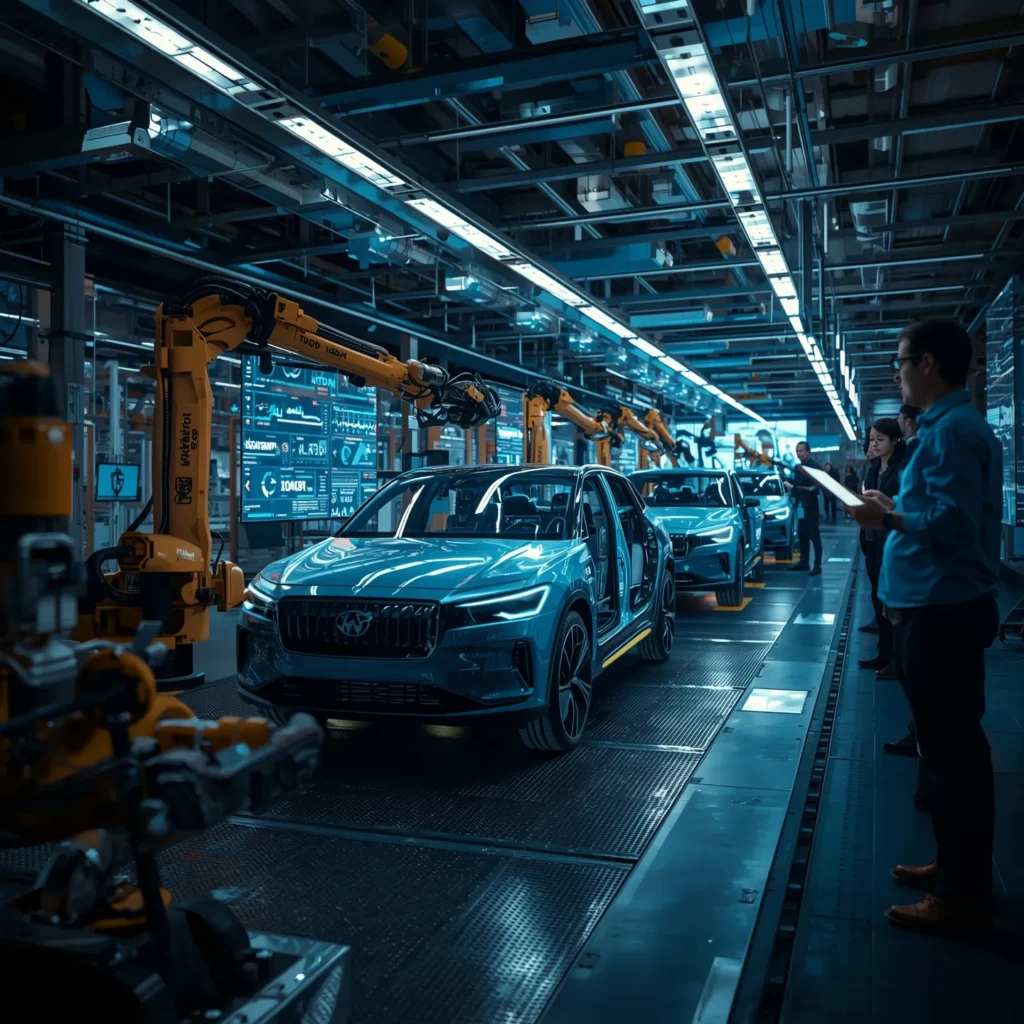
The world of automobiles is shifting gears, and it’s all thanks to advanced AI. From self-driving cars to intelligent navigation systems, AI is not just a futuristic concept anymore—it’s the driving force behind today’s automotive innovation.
For tech enthusiasts, this means an exciting ride ahead. Imagine cars that learn your habits, predict traffic conditions, and even communicate with other vehicles. Buckle up, because the fusion of technology and automotive engineering is set to redefine how we hit the road.
The Role of AI in Autonomous Vehicles
Key Technologies Driving Automation
AI is at the heart of autonomous vehicles, enabling them to understand and interact with their surroundings. Machine learning algorithms process vast amounts of data from sensors and cameras to make split-second decisions. This technology allows vehicles to recognize objects, identify lane markings, and detect pedestrians.
Computer vision is another crucial technology, giving vehicles the ability to “see” their environment. It converts visual data into digital information, allowing the vehicle to interpret road signs and traffic signals. Additionally, LiDAR (Light Detection and Ranging) systems provide a detailed 3D map of the vehicle’s surroundings, enhancing navigation and safety.
Together, these technologies form the backbone of autonomous driving, paving the way for safer and more efficient travel.
Benefits of Self-Driving Cars
The integration of AI in self-driving cars offers numerous benefits. First and foremost, it significantly reduces the risk of human error, which is a leading cause of accidents. Autonomous vehicles can maintain optimal speed, ensure safe following distances, and react faster to hazards.
Moreover, self-driving cars have the potential to increase mobility for people with disabilities or the elderly, granting them independence and convenience. They also promise to transform urban landscapes by easing congestion through improved traffic flow and reducing the need for parking spaces.
Lastly, these vehicles can contribute to environmental sustainability by optimizing routes for fuel efficiency, thus reducing emissions.
Challenges and Ethical Considerations
Despite the promising future of autonomous vehicles, several challenges and ethical concerns remain. One major issue is the safety and reliability of AI systems. Ensuring that self-driving cars can handle all road conditions and scenarios is paramount.
Ethical considerations also arise in situations where the vehicle must make tough decisions, such as in potential accident scenarios. The question of liability in accidents involving autonomous vehicles is still a topic of debate.
Additionally, there is the concern of privacy and data security. Autonomous vehicles collect vast amounts of data, raising questions about who owns this data and how it is protected.
Addressing these challenges is crucial for the successful integration of AI in the automotive industry, ensuring that the benefits can be fully realized while minimizing risks.
AI-Driven Enhancements in Car Safety
Advanced Driver Assistance Systems
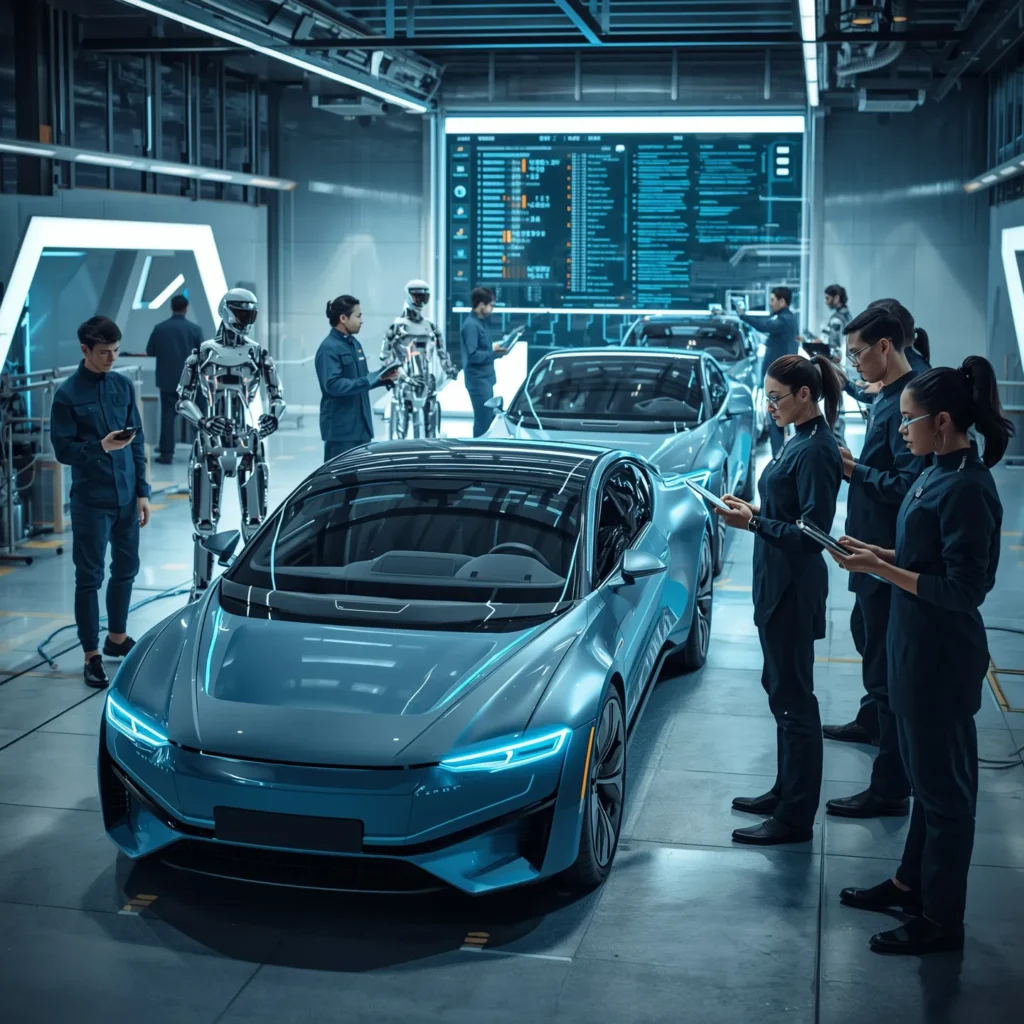
Advanced Driver Assistance Systems (ADAS) are revolutionizing vehicle safety by providing drivers with critical information and automation. These systems utilize sensors, cameras, and AI algorithms to monitor the vehicle’s environment and assist with tasks such as lane-keeping, adaptive cruise control, and emergency braking.
ADAS technology helps prevent accidents by alerting drivers to potential hazards and, in some cases, taking corrective action to avoid collisions. The integration of AI allows these systems to continuously learn and adapt, improving their ability to predict and respond to real-world driving conditions.
Predictive Maintenance and Safety
AI is also playing a crucial role in predictive maintenance, which enhances vehicle safety by anticipating mechanical issues before they become critical. By analyzing data from various sensors, AI can detect patterns and predict potential failures, allowing for timely maintenance.
This proactive approach not only improves safety but also reduces downtime and repair costs. Drivers receive alerts for necessary maintenance tasks, ensuring that vehicles remain in optimal condition and minimizing the risk of unexpected breakdowns.
Real-Time Hazard Detection
Real-time hazard detection is another significant advancement driven by AI. By processing data from multiple sources, including cameras, radar, and LiDAR, AI systems can identify obstacles, pedestrians, and other vehicles in real time.
These systems enhance driver awareness by providing timely alerts and, when necessary, taking automated actions to avoid accidents. The ability to detect and respond to hazards instantaneously is a critical component of modern vehicle safety.
In summary, AI is transforming car safety through advanced assistance systems, predictive maintenance, and real-time hazard detection. These innovations not only enhance the driving experience but also significantly reduce the risk of accidents, paving the way for a safer future on the roads.
AI and the Future of Car Manufacturing
AI in Design and Prototyping
The integration of AI in design and prototyping is revolutionizing the way cars are developed. AI algorithms can analyze vast amounts of data, enabling designers to create more efficient and innovative vehicle models. By simulating various design scenarios, AI helps to optimize aerodynamics, improve fuel efficiency, and enhance overall vehicle performance.
AI also accelerates the prototyping process. Virtual models and simulations allow engineers to test designs without the need for physical prototypes, saving time and resources. This approach not only speeds up the development cycle but also allows for more iterations and refinements.
Streamlining Production with Robotics
In modern manufacturing, robotics powered by AI is streamlining production processes. Robots equipped with AI can perform complex tasks with precision and consistency, reducing human error and increasing production efficiency. These systems can adapt to changes in the production line, ensuring flexibility and scalability.
AI-driven robots also improve safety on the factory floor by taking over tasks that are dangerous or repetitive for humans. This not only protects workers but also enhances productivity. The integration of robotics with AI is transforming manufacturing into a more efficient and safer environment.
Quality Control and Predictive Analytics
AI is enhancing quality control through advanced predictive analytics. By analyzing data from the production line, AI systems can detect defects and inconsistencies early in the manufacturing process. This proactive approach ensures that only high-quality vehicles reach the market.
Predictive analytics also plays a crucial role in maintaining production equipment. By predicting when machinery is likely to fail, AI helps schedule maintenance before issues arise, minimizing downtime. This ensures a smooth production process and reduces costs associated with unexpected repairs.
In conclusion, AI is reshaping the car manufacturing industry by enhancing design, optimizing production, and ensuring top-notch quality control. These advancements are not only boosting efficiency but also setting new standards for innovation and safety in automotive manufacturing.
AI-Powered Personalization in Cars
Intelligent Infotainment Systems
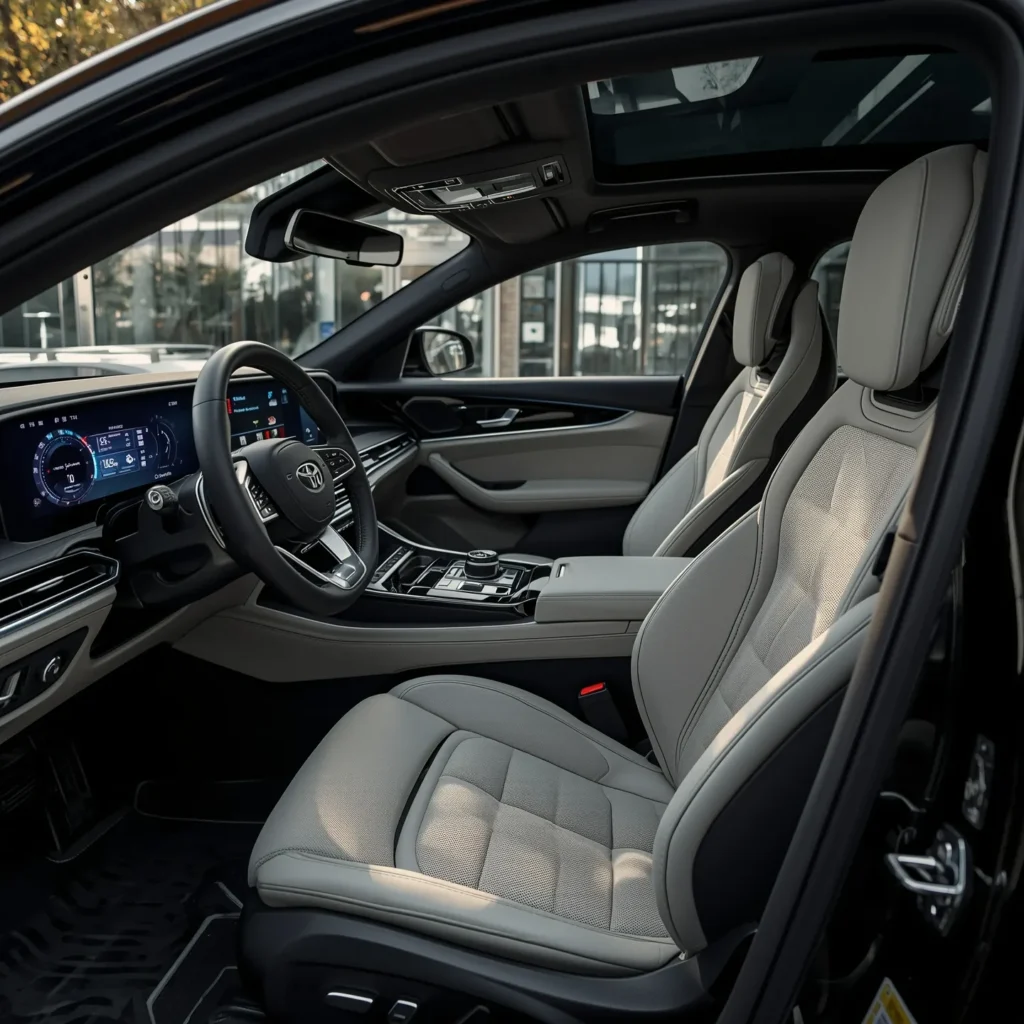
Intelligent infotainment systems are revolutionizing the way we interact with our vehicles. These systems leverage AI to provide drivers and passengers with a seamless, intuitive experience. By integrating voice recognition and natural language processing, these systems can understand and respond to spoken commands effortlessly.
Moreover, AI-driven infotainment systems offer personalized recommendations for music, podcasts, and more, adapting to individual preferences over time. This personalization creates a more engaging and enjoyable driving experience, transforming the cabin into a smart, interactive space.
Personalized Driving Experiences
AI is at the forefront of crafting personalized driving experiences. By analyzing data from sensors and user profiles, AI systems can adjust various vehicle settings automatically. This includes seat positions, mirror angles, and climate controls, all tailored to the driver’s preferences.
Additionally, AI can learn a driver’s habits and routines, offering route suggestions based on past behavior. This level of customization not only enhances comfort but also contributes to a safer, more efficient drive. The car becomes an extension of the driver, adapting seamlessly to their needs.
AI in Navigation and Traffic Management
The integration of AI in navigation and traffic management is transforming the way we approach driving. AI-powered navigation systems analyze real-time traffic data to provide the most efficient routes, reducing travel time and fuel consumption.
These systems can also predict traffic patterns and suggest alternative routes to avoid congestion. Furthermore, AI aids in traffic management by optimizing traffic signals and improving the flow of vehicles in urban areas. This results in smoother commutes and a reduction in traffic-related stress.
In conclusion, AI-driven personalization in cars is enhancing the driving experience by making it more intuitive, comfortable, and efficient. As AI technology continues to advance, the possibilities for further customization and improvement in the automotive industry are boundless.
The Economic Impact of AI in the Car Sector
Job Market Transformations
The rise of AI in the car industry is reshaping the job market significantly. Automation in manufacturing processes is reducing the need for manual labor. However, this shift is creating new job opportunities in tech-driven roles.
As AI technology advances, there’s a growing demand for specialists in AI development, data analysis, and cybersecurity. Workers need to adapt by gaining new skills, leading to a dynamic transformation in employment trends.
Additionally, AI-driven innovations in the car sector are prompting companies to invest in employee retraining programs. This ensures the workforce can effectively leverage new technologies and maintain competitive advantage.
Cost Efficiency and Production Benefits
AI is revolutionizing cost efficiency in car production. Automated systems enhance precision and speed, reducing waste and errors. This leads to significant cost savings, which can be reinvested into further innovation.
- Enhanced quality control through real-time monitoring and adjustments.
- Optimized supply chain management, minimizing delays and disruptions.
- Predictive maintenance to prevent costly equipment failures.
These advancements collectively contribute to a more streamlined and profitable manufacturing process, benefiting both manufacturers and consumers.
Market Growth and Consumer Trends
The integration of AI is fueling market growth in the automotive sector. Consumers are increasingly drawn to vehicles offering advanced AI features, such as autonomous driving and intelligent infotainment systems.
AI’s role in enhancing vehicle safety and efficiency is also driving consumer interest. As a result, there’s a noticeable shift in consumer trends towards smarter, eco-friendly vehicles.
Furthermore, AI is enabling car manufacturers to tailor marketing strategies to individual preferences. By analyzing consumer data, companies can offer personalized recommendations, enhancing customer satisfaction and brand loyalty.
In summary, the economic impact of AI in the car sector is profound. From transforming the job market to enhancing production efficiency and driving market growth, AI is setting new standards in the automotive industry.
Driving into the Future: AI’s Impact on Automobiles
AI is revolutionizing the car industry by enhancing vehicle safety and efficiency. Autonomous driving and predictive maintenance are now at the forefront. Additionally, AI-driven innovations are reshaping customer experiences, offering personalized features and smart assistance. As AI technology continues to evolve, the automobile industry is set to enter an era of unprecedented transformation and opportunity.