
Explore how advanced AI applications intersect with nature, aiding conservation and sustainable practices. Discover AI’s role in the future of our planet.
The Rise of AI and Its Impact on Nature
In today’s rapidly evolving world, technology is advancing at a pace that’s hard to keep up with. Among the most exciting developments is the rise of artificial intelligence (AI). But what does this mean for the natural world around us? This article explores some advanced AI applications and how they intersect with nature, providing a glimpse into the future of AI.
AI in Environmental Conservation
One of the most promising areas where AI is making a significant impact is environmental conservation. With the ability to process massive amounts of data quickly, AI solutions are helping scientists and conservationists tackle complex environmental issues.
Monitoring Wildlife Populations
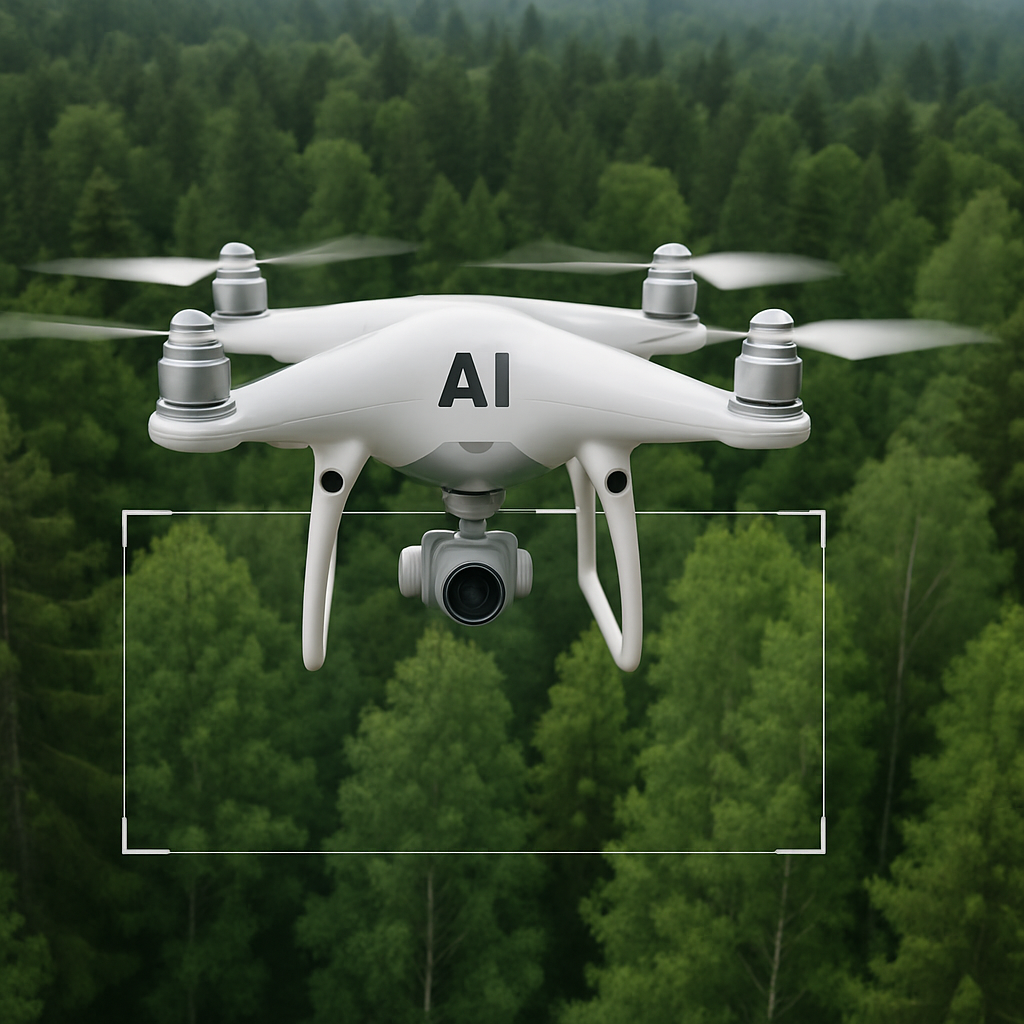
AI-powered drones and camera traps are revolutionizing wildlife monitoring. These tools can automatically identify and track animals in their natural habitats, providing valuable data without disturbing them. This technology helps researchers understand population dynamics and the impact of human activities on wildlife.
For example, AI applications are being used to monitor endangered species like elephants and rhinos, helping to protect them from poaching. By analyzing patterns in the data, conservationists can predict where poaching is likely to occur and deploy resources more effectively.
Combatting Illegal Fishing and Deforestation
AI is also being used to combat illegal fishing and deforestation. Satellite imagery combined with AI algorithms can detect unauthorized activities in real-time. This allows authorities to take swift action, protecting marine and forest ecosystems from exploitation.
Enhancing Agricultural Practices with AI
The agricultural sector is another area where AI is making a big splash. With the global population continuing to grow, the demand for food is increasing. Advanced AI applications are helping farmers increase yields while reducing environmental impact.
Precision Farming
AI solutions enable precision farming by providing farmers with detailed insights into soil health, crop conditions, and weather patterns. With this information, farmers can make data-driven decisions about when to plant, irrigate, and harvest crops. This not only boosts productivity but also minimizes the use of water and fertilizers, reducing the environmental footprint of agriculture.
Pest and Disease Management
AI-powered systems can also identify early signs of pest infestations and plant diseases. By detecting these issues before they become widespread, farmers can take targeted actions to protect their crops. This reduces the need for broad-spectrum pesticides, which can harm beneficial insects and the surrounding environment.
AI’s Role in Climate Change Mitigation
As the effects of climate change become more pronounced, AI is playing an increasingly important role in understanding and mitigating its impact. Advanced AI applications are being used to model climate patterns, predict extreme weather events, and develop strategies for reducing greenhouse gas emissions.
Climate Modeling
AI-powered climate models are more accurate and efficient than traditional methods. They can analyze vast amounts of data from various sources, such as satellite imagery and weather stations, to predict future climate scenarios. This helps policymakers make informed decisions about how to address climate change and plan for its impacts.
Renewable Energy Optimization
AI is also being used to optimize renewable energy sources like wind and solar. By analyzing weather patterns and energy consumption data, AI systems can predict the best times to generate and store energy. This ensures a stable and reliable energy supply while reducing reliance on fossil fuels.
The Future of AI in Nature
The future of AI in nature looks promising, with new applications emerging all the time. From enhancing biodiversity to improving resource management, AI solutions have the potential to transform our relationship with the natural world.
Biodiversity Enhancement
AI can help us understand the complex interactions within ecosystems, leading to more effective conservation strategies. By analyzing data on species distribution and habitat conditions, AI can identify areas that need protection and restoration efforts. This will be crucial in preserving biodiversity in the face of climate change and human encroachment.
Sustainable Resource Management
AI applications can improve the management of natural resources, ensuring they are used sustainably. For example, AI can optimize water usage in agriculture, reducing waste and preserving this precious resource. Similarly, AI can help manage fisheries, ensuring that fish stocks are harvested at sustainable levels.
Conclusion: Harnessing AI for a Healthier Planet
As we continue to develop advanced AI applications, it’s essential to consider how they can benefit the natural world. By leveraging AI solutions, we can address some of the most pressing environmental challenges of our time. From conservation efforts to sustainable resource management, the future of AI holds great promise for both humans and nature. Let’s embrace these technologies and work towards a harmonious relationship with our planet.
By understanding and implementing these advanced AI applications, we can create a better future for both people and the environment. So, let’s get to work and harness the power of AI for a healthier planet.